FEATURED 2026 CONFERENCE EVENTS

Community Health Needs Assessment Poster Presentation
-
Join us for the Community Health Needs Assessment Poster Presentation Competition, a pivotal event dedicated to identifying the most pressing health challenges within our communities in the United States.
-
Participants will showcase their comprehensive health needs assessments through visually engaging and informative posters.
UAID chapters are encouraged to submit the results of step 2 of their Community Project.
Non-UAID conference participants are welcome to submit their own original research on any community health needs assessment in the United States. -
A distinguished panel of judges comprising of experienced public health practitioners and academic leaders will evaluate each poster based on clarity, research rigor, relevance, and potential impact. Winners will receive recognition and awards for their outstanding contributions.

Community Health Improvement Project Presentation
-
Join us for the Community Health Improvement Project Presentation Competition, a dynamic and inspiring event dedicated to showcasing innovative projects that advance health equity within local communities in the United States.
-
Participants will present their community health improvement projects through engaging PowerPoint slides. These presentations will highlight project objectives, methodologies, outcomes, and the impact on community health.
UAID chapters are encouraged to submit presentations on the process and cumulative impact of their completed Community Projects.
Non-UAID conference participants are welcome to submit their own original work related to tangibly improving health equity in local communities in the United States. -
A distinguished panel of judges comprising of experienced public health practitioners and academic leaders will evaluate each presentation based on innovation, effectiveness, scalability, community impact, and sustainability. Winners will receive recognition and awards for their outstanding contributions.

Health Equity Abstract Submission
Students, professionals, and community leaders are invited to submit abstracts showcasing innovative projects, research, and initiatives advancing health equity. Selected presenters will share their work through oral or poster sessions, fostering dialogue, collaboration, and action toward more equitable health systems. These presentations will foster dialogue, collaboration, and action toward more equitable health systems. Late-Breaker Abstracts are currently open for submission until 3/15/26!
Continuing Education / Professional Development: participants will receive a Certificate of Completion documenting 4 hours of instructional time. The conference is already approved for 4 continuing education credits by the National Board of Public Health Examiners. Attendees may be able to submit these hours to their employer or other credentialing/licensing bodies, depending on profession and state requirements.
Registration: $45
Early deadline, 1/3/26
Regular deadline, 3/1/26
Late deadline, 4/10/26
The conference is free for UAID Advanced and Leaders Tier members! Click here to learn more.

Emerging Leaders Itinerary
Designed for undergraduate, graduate, and
early-career professionals passionate about health equity
April 12, 2026
9:00 - 10:00 EST: Welcome & Keynote
10:00 - 11:00 EST: Community Health Needs Poster Presentation Competition
11:00 - 11:10 EST: Break
11:10 - 12:10 EST: Community Health Improvement Project Presentation Competition
12:10 - 12:45 EST: UAID Alumni “Ask Me Anything” Panel
12:45 - 1:00 EST: Awards & Closing Remarks
Featured Speaker & Panelists

-
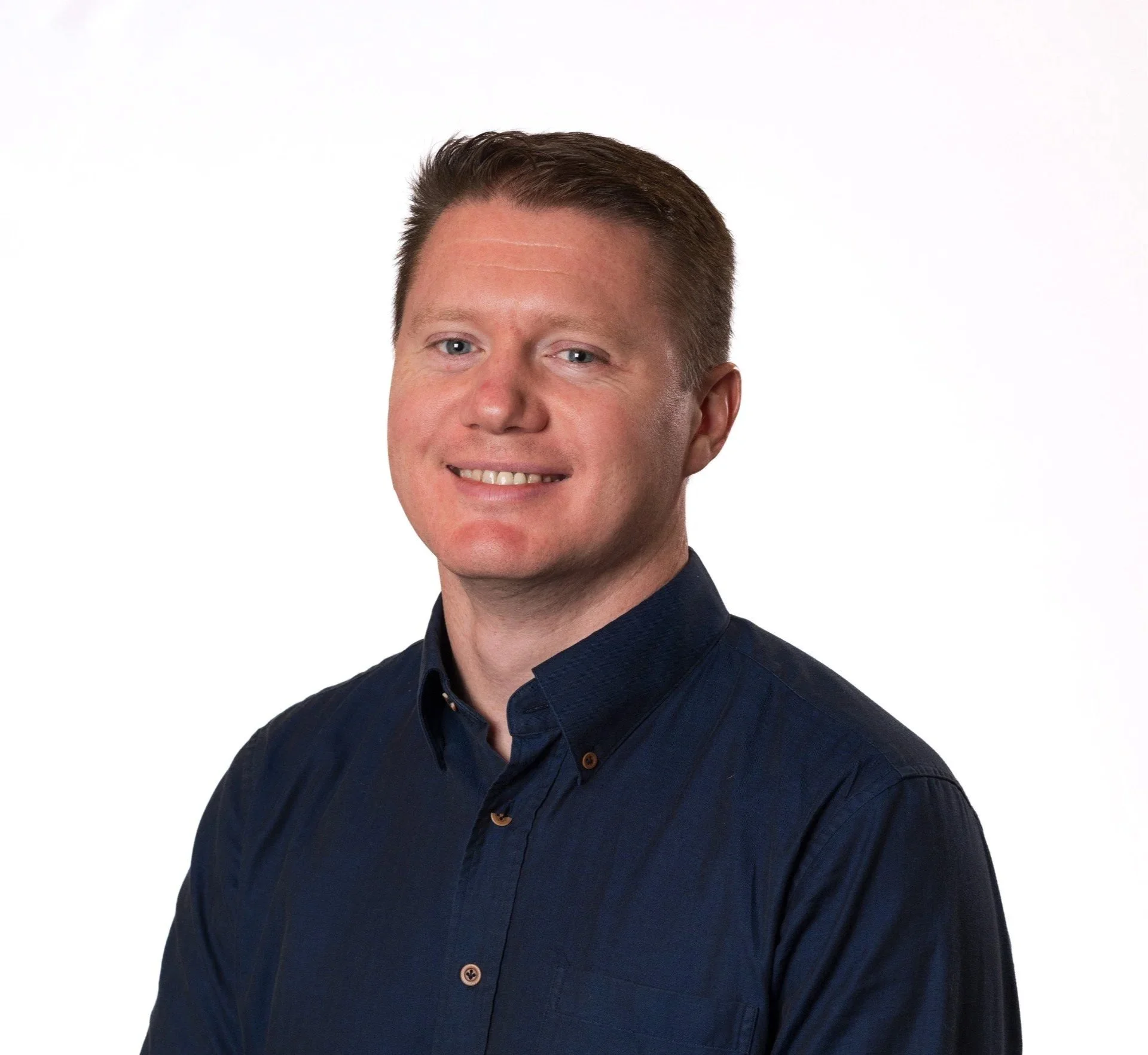
Sonia founded UAID to empower students to eliminate health inequities in their own communities in partnership with local organizations. She runs a consulting firm, Strategic Health Innovations, through which she has tackled some of the most pressing public health challenges of today for organizations ranging from Johns Hopkins University to the Maryland Department of Health to the World Health Organization. Sonia is a graduate of Yale University, Johns Hopkins Bloomberg School of Public Health, and MIT Sloan School of Management.
-
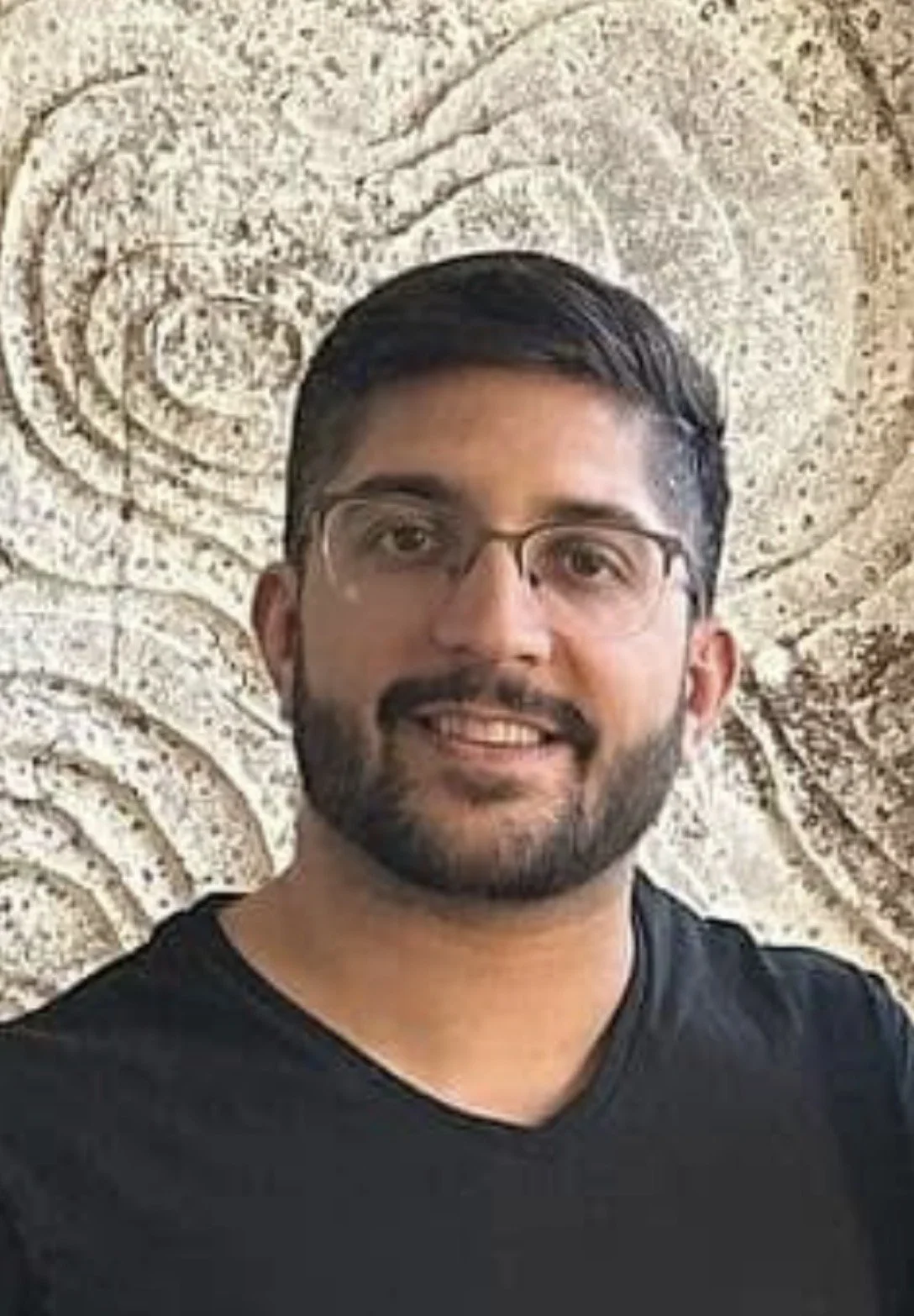
Dr. Stephen Kane is an UAID alumni (UMD 2015) who subsequently completed medical school at Georgetown University School of Medicine and a combined residency in Family Medicine and Preventive Medicine/General Public Health at Medstar Franklin Square and Johns Hopkins University. He currently serves as the medical director for the jail system of Portland Oregon, which is run by the local health department. In this role, Dr. Kane is able to blend population and public health approaches to clinical care of an underserved population and practice public health as decarceration.
-
Mike is a board-certified Family Medicine and Addiction medicine physician based in New York City, whose practice sits at the intersection of clinical care and health justice. His clinical work spans substance use, addiction medicine, harm reduction, and psychedelic therapy. As Medical Director of Cardea, a psychedelic therapy space, he integrates harm reduction principles into clinical protocols for ketamine and other modalities. Concurrently, as an Attending Physician with the CATCH Team (Consult for Addiction Treatment and Care in Hospitals) at Lincoln Hospital, he works to expand access to evidence-based addiction treatment for some of the city’s most marginalized patients. His frontline experience includes previously servicing for nearly three years as Senior Clinician at OnPoint NYC, the nation’s first overdose prevention center, where he provided direct healthcare to marginalized people who use drugs and engage in sex work.
Beyond his clinical roles, Mike is socialist who believes that issues such as poverty, inequality, and more generally the "social determinants of health," (a term used to disguise what they truly are: results of capitalism's violence), are not malfunctions of capitalism, but essential to its operation. He believes that effectively addressing disease and illness requires confronting the system that creates them. This analysis drives his deep commitment to worker organizing. He was part of organizing around and ultimately winning the first unilateral decrease in resident work hour limits in residency history and later helped secure the first union at an overdose prevention center in U.S. history at OnPoint NYC. A member of and writer for Left Voice, most of his work can be found atleftvoice.org, where he critically examines the intersection of capitalist violence---or and Friedrich Engels referred to it, social murder---and health.
-
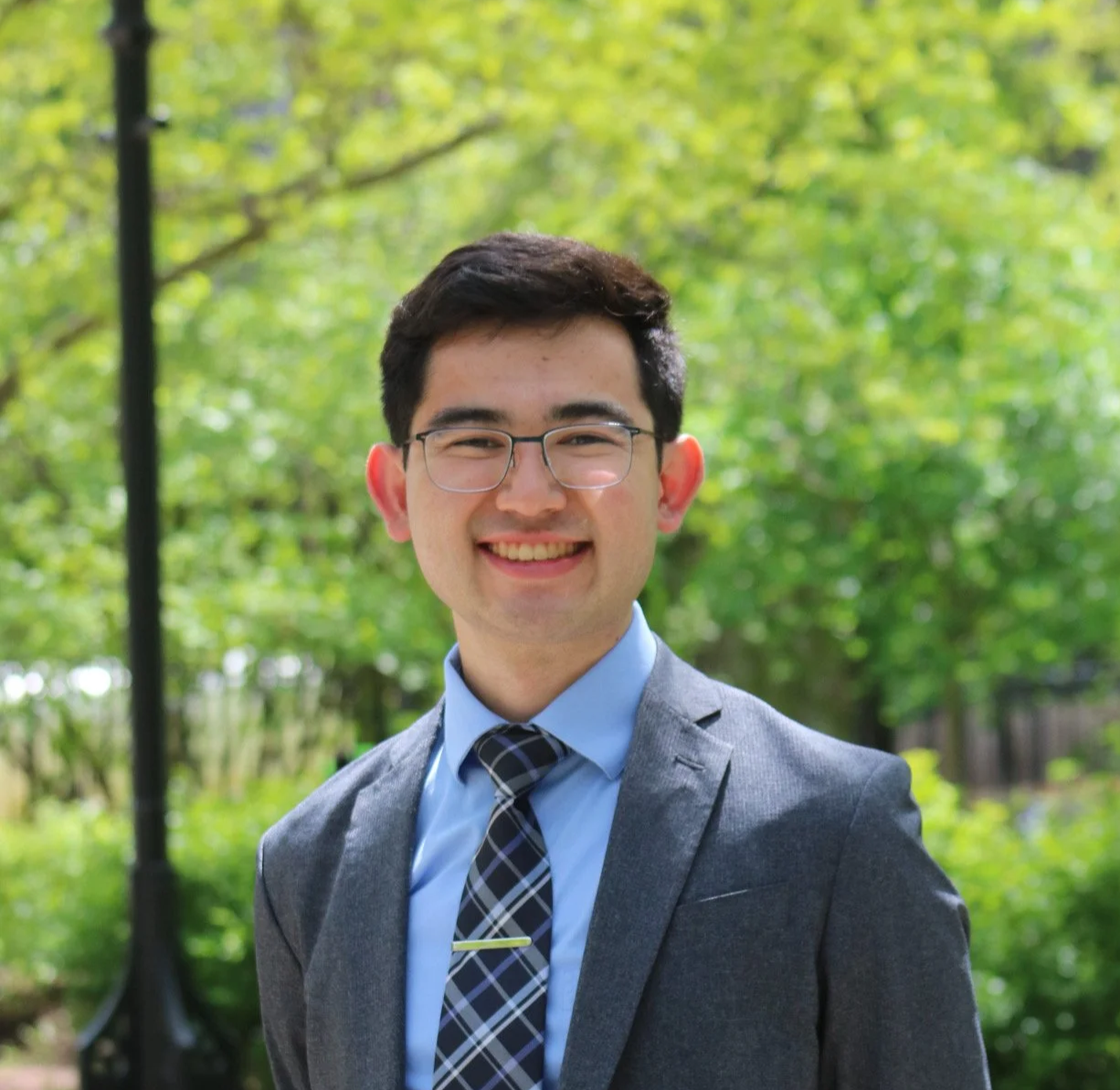
Andrew is a medical student at the University of Chicago Pritzker School of Medicine. While in undergrad, Andrew served as co-president for UChicago's chapter of UAID, spearheading the creation of a new chapter project. From forging a new community partnership, writing and distributing the CHNA, creating and implementing project events, collecting and analyzing data, and then sharing findings, UAID taught him many new skills. Most importantly, though, UAID helped Andrew get to know and build relationships with the South Side community that he still has the privilege of serving. Andrew is excited to continue giving back to this wonderful organization. In medical school, Andrew is involved in Chicago Street Medicine, his school's Curriculum Review Committee, teaching sex ed in local high schools, and the Internal Medicine Interest Group. In his free time, Andrew enjoys reading, traveling, hiking, playing board games, and running.
Late-Breaker Abstracts are currently open for submission until 3/15/26!"
Want to see videos of winning presentations from previous conferences?